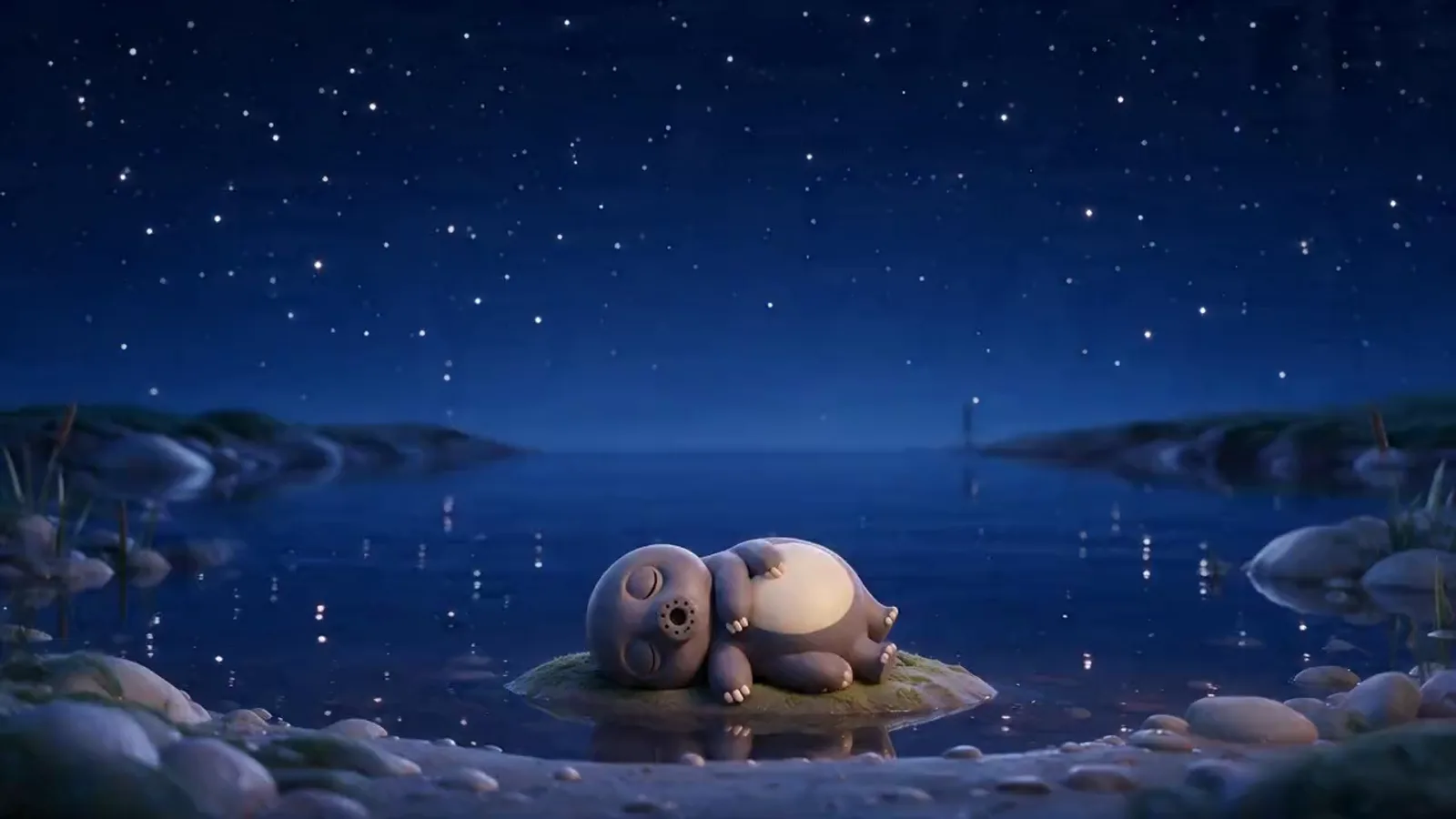
Lullabies
See allSleepy hours
See allSongs
See allShorts
See allThe characters in Tardy’s bedtime stories

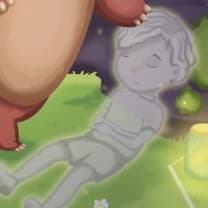
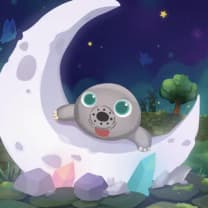
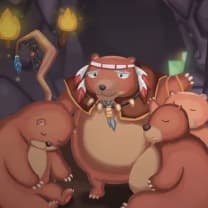
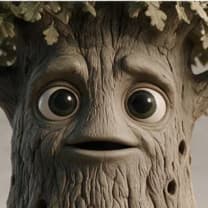
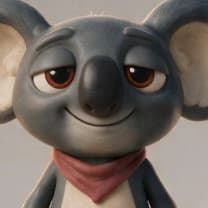
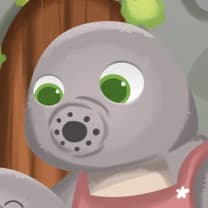
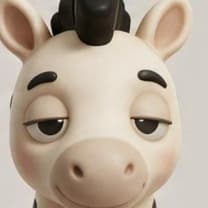

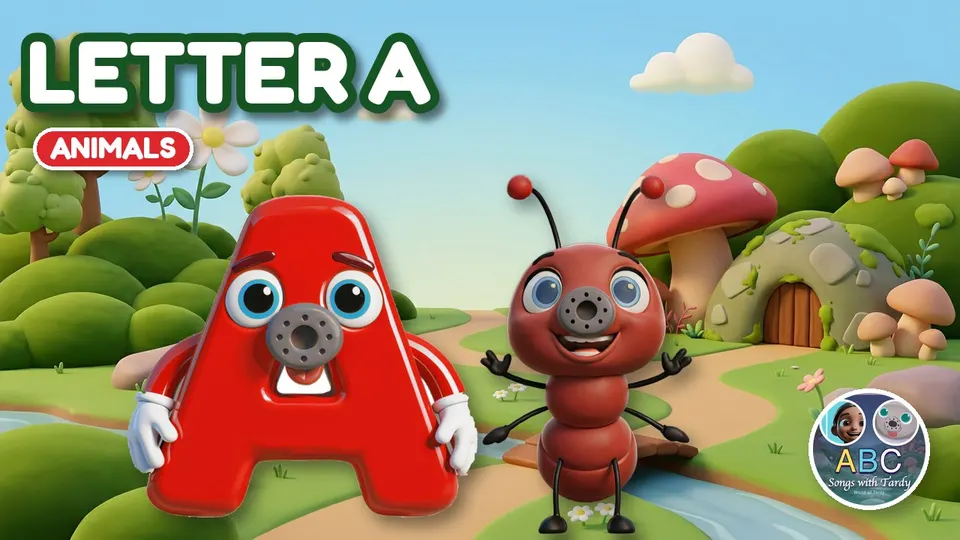
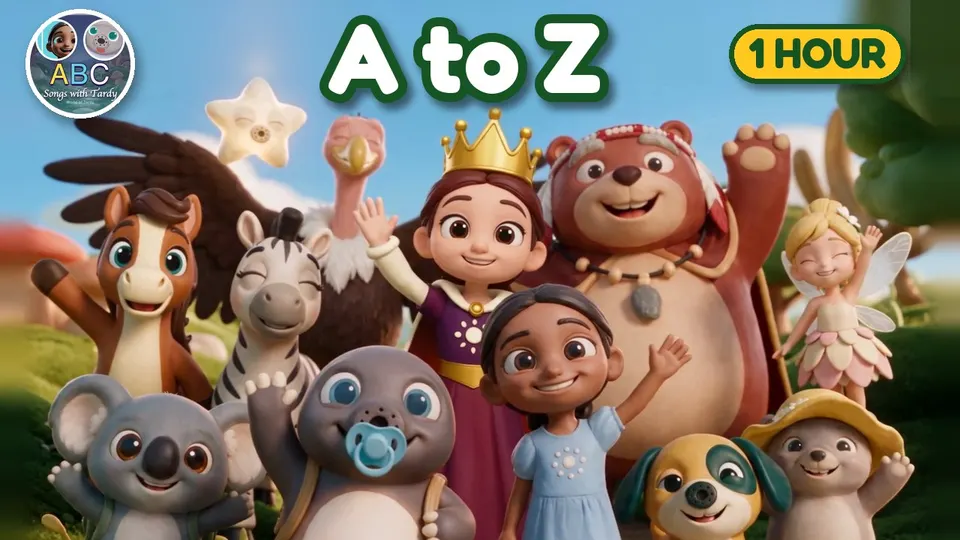
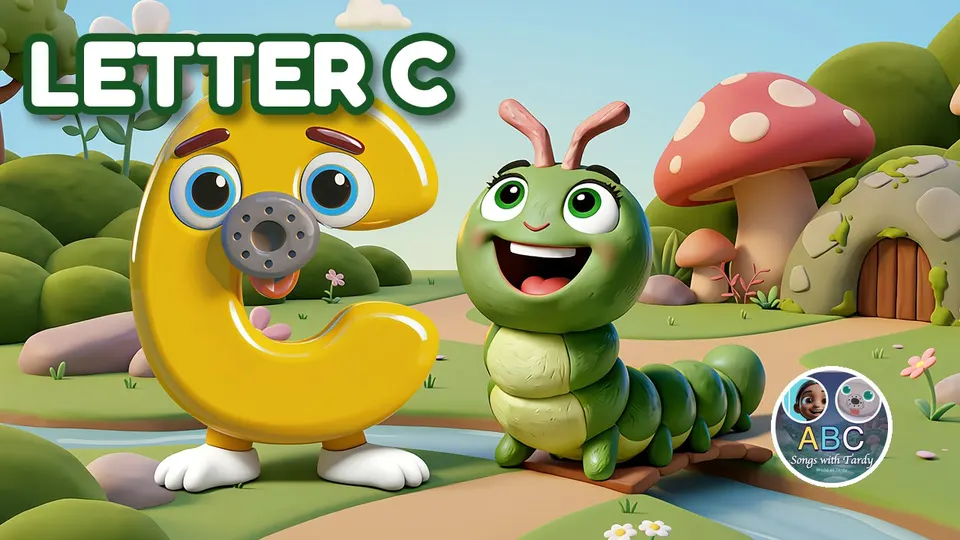
For the daytime: a song for every letter of the alphabet with Tardy and his friends, and an animal for every letter at Animal School.
Places
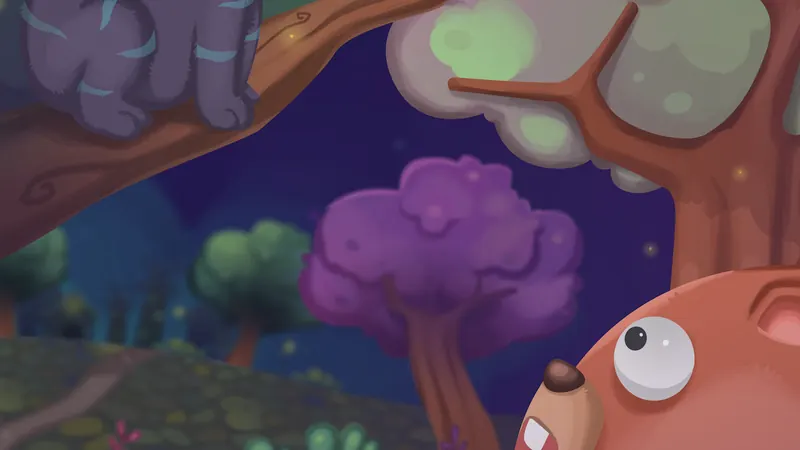

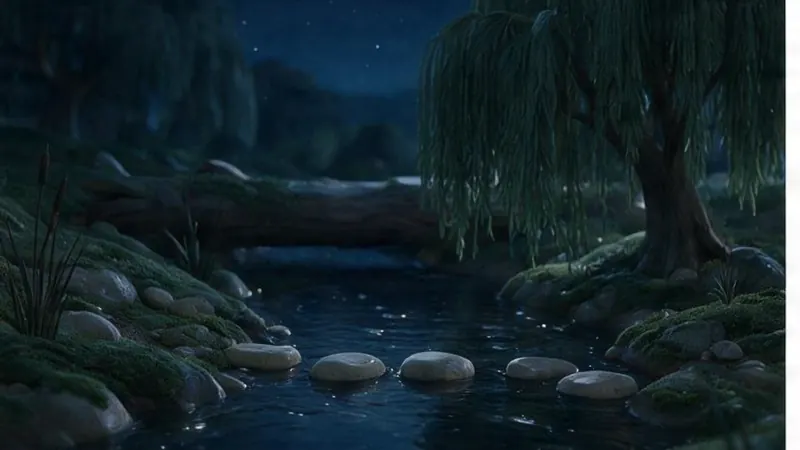
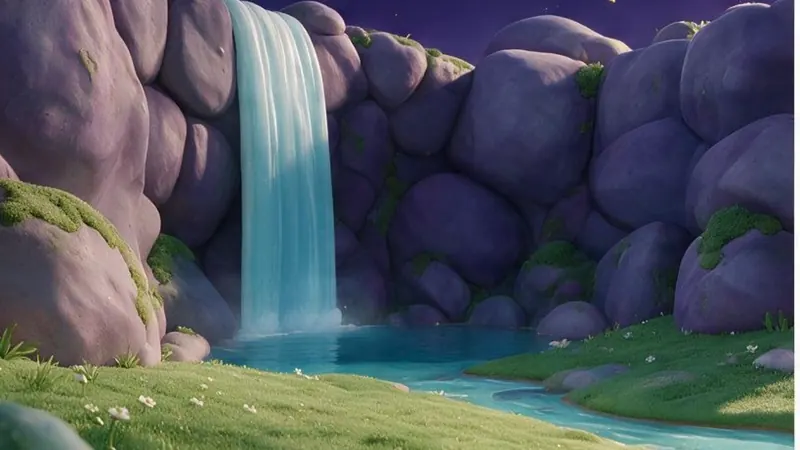
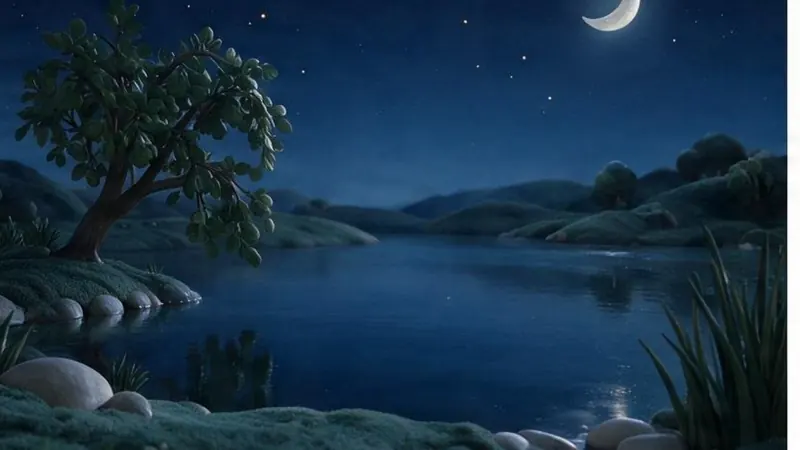


How a night goes down
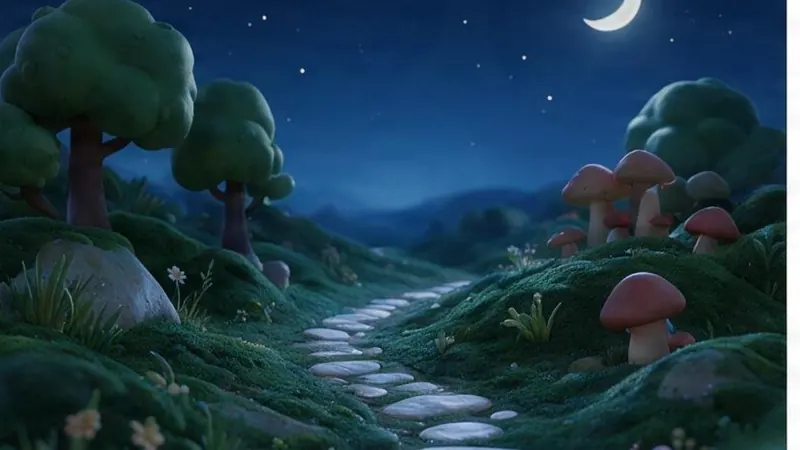
Five rungs, and the language only ever descends. You will hear the words get shorter and see the light go out of the picture at the same rate, because both are driven by the same number.
Bedtime stories for kids that started on paper
All five books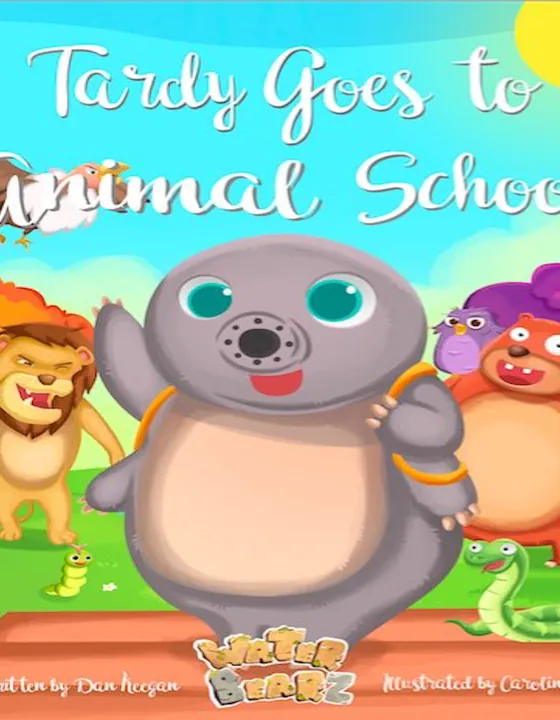
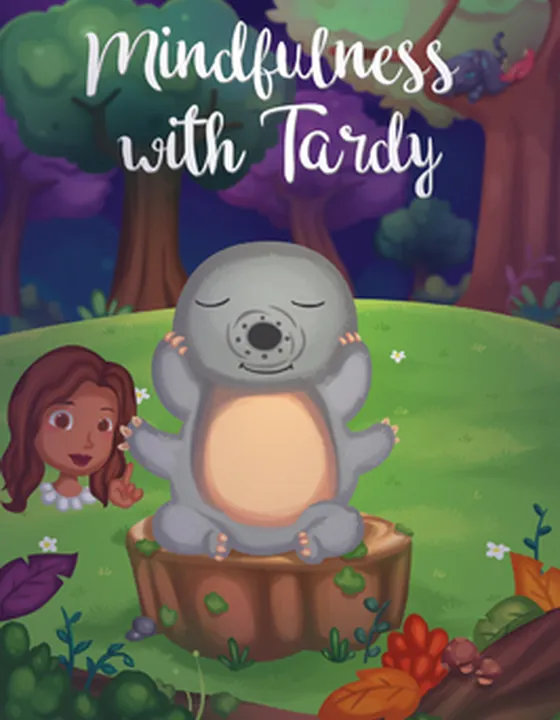
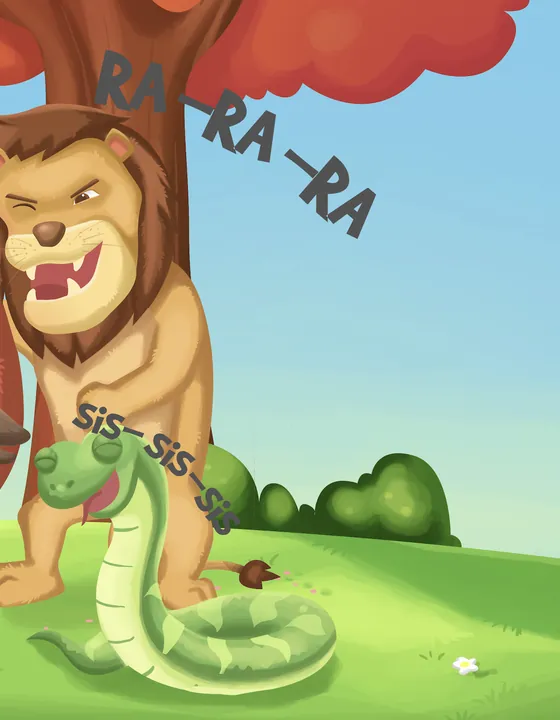
Bedtime stories for kids, and sleep stories for toddlers
Every film here is a walk. It begins somewhere warm and ends somewhere quiet, and the eight places always arrive in the same order — the order water travels, from a spring to the sea.
Once you have set off, nothing asks your child a question. That is the whole design.
Choosing is cognitive work, and cognitive work wakes people up, so the only decision is made at the door, by you, before the first picture appears.
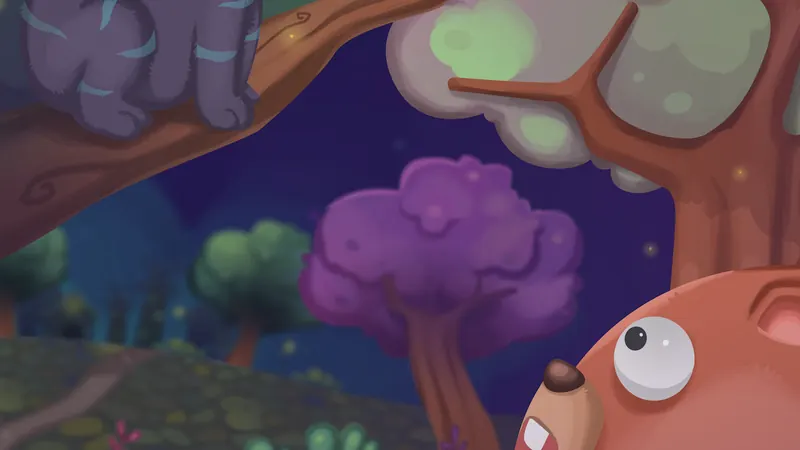
Sleep stories for toddlers need to be shorter than most people expect. A toddler who is already tired cannot hold a plot, and a story that keeps introducing things is a story that keeps waking them.
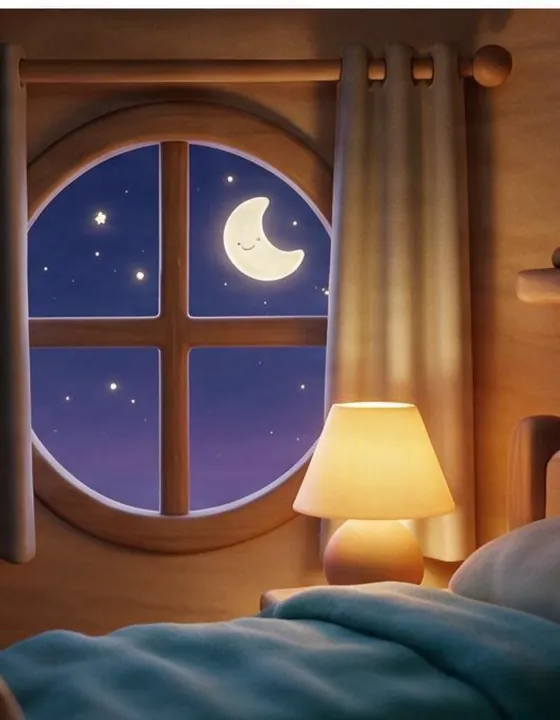
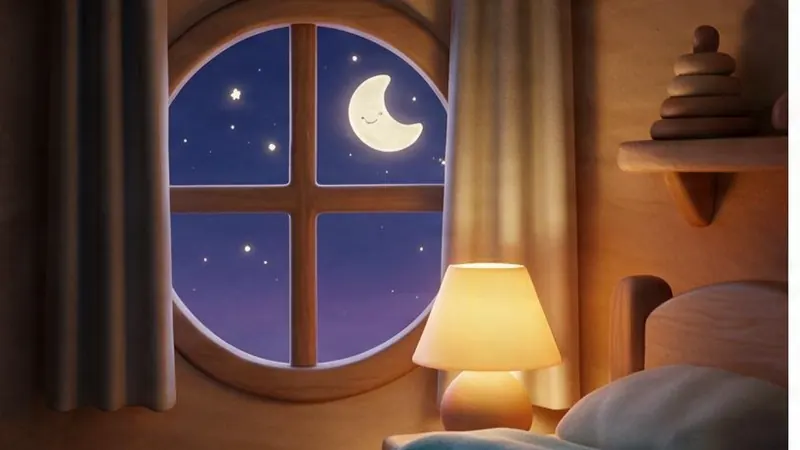
Ours run three to five minutes, use perhaps forty words a minute, and end on a held frame of somebody already sleeping. If you are looking for bedtime stories for toddlers specifically, start at The Sleepy Forest or Tardy’s Bedroom and stop after one.
What separates bedtime stories for kids here from most of what is on a screen at seven o’clock — and what separates sleep stories for toddlers here from a soft voice reading anything at all — is that the calm is built rather than performed. The shape is a descent, not a plot; the pace is a rule, not a mood; and every place arrives in an order fixed by where water goes.
That is the whole of it, and it is the reason these work on a night when a softly-read story with a problem in it does not.
Sleep stories for toddlers stay on the upper rungs, then. Sleep stories for kids who are past that stage can be longer, because an older child will follow a route and enjoy knowing where they are on it.
The long pieces run thirty minutes or more, take in several places, and never raise their voice. There is no music sting, no reveal, and nothing that reads as an event.
The most exciting thing that happens in a good sleep story is that a bear sits down.
Underneath all of it is the Sleep Ladder, which is simply a way of describing how far along someone is: settling, a little sleepy, very sleepy, the big yawn, and then sleep. The language descends as the ladder does, and it never climbs back up.
You will notice the pictures dim and slow at the same rate, because the words and the light are driven by the same number.
If you came looking for one particular kind of night, the pages are split the way parents ask for them — bedtime stories for kids sorted by the thing you were actually asking for: how our bedtime stories work, the whole method in one place; sleep stories for toddlers, the age where sameness matters most; short bedtime stories, for the nights that already ran long; and lullabies for babies, for the ones still too young for a screen. They are the same films underneath, told by the same characters, in the same eight places.
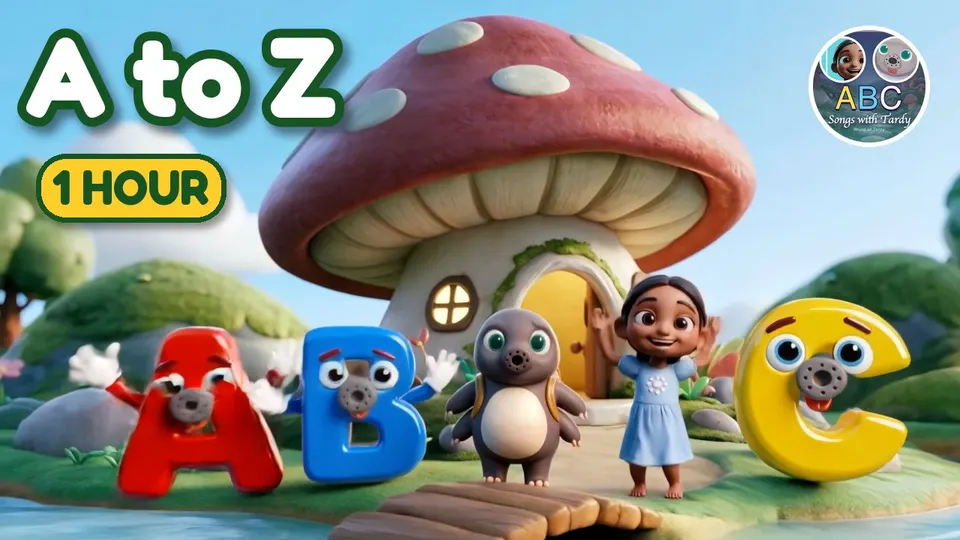
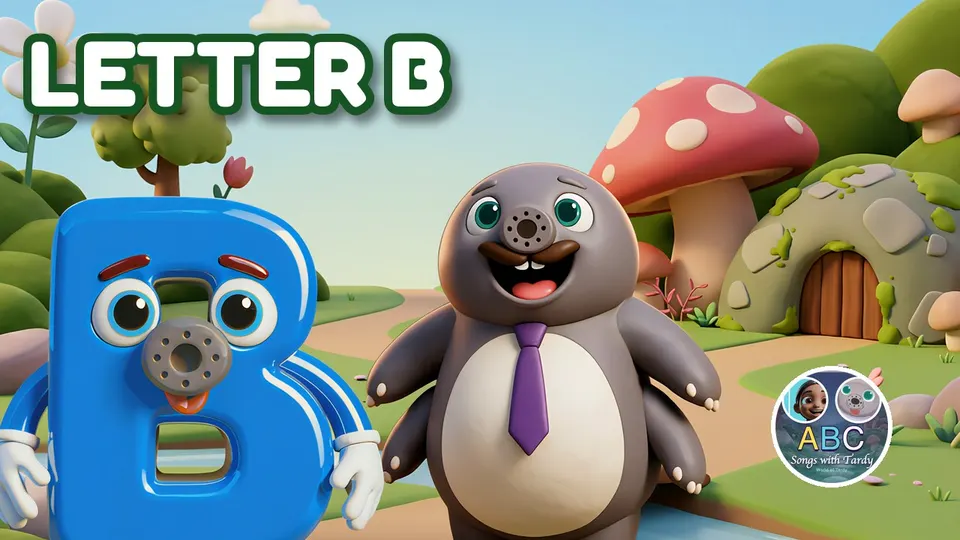
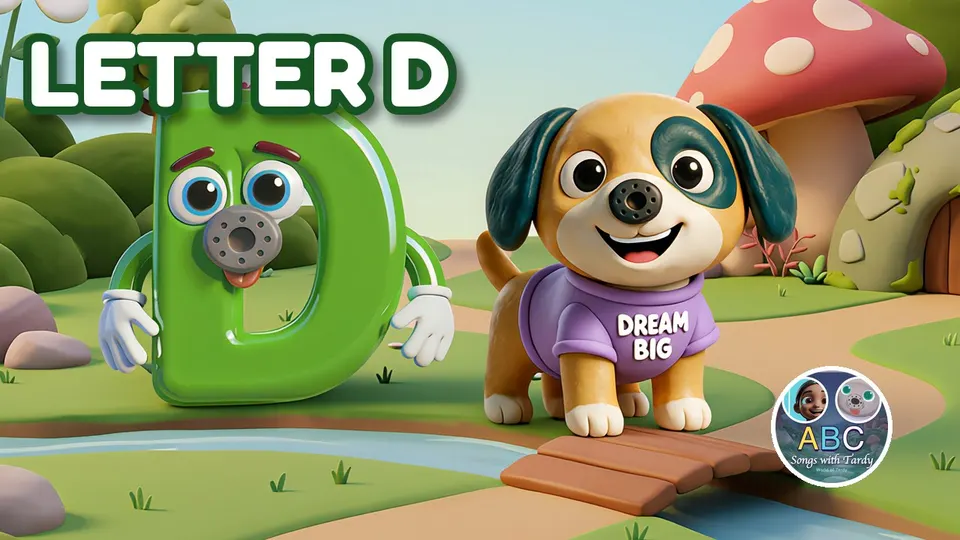
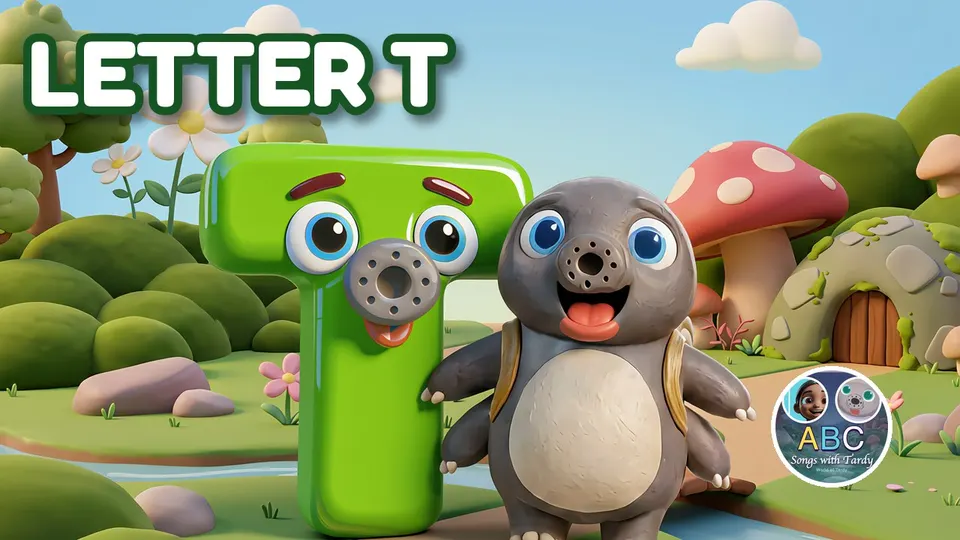
Not everything here is for the last ten minutes of the day. For the daytime there are ABC songs for kids, a song for every letter of the alphabet with Baba Bear for B, the Dream Dog for D and Tardy himself for T; and ABC Animals A to Z, with an animal for every letter at Animal School.
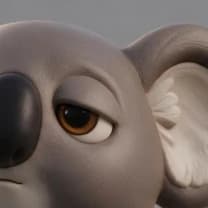
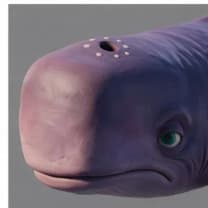
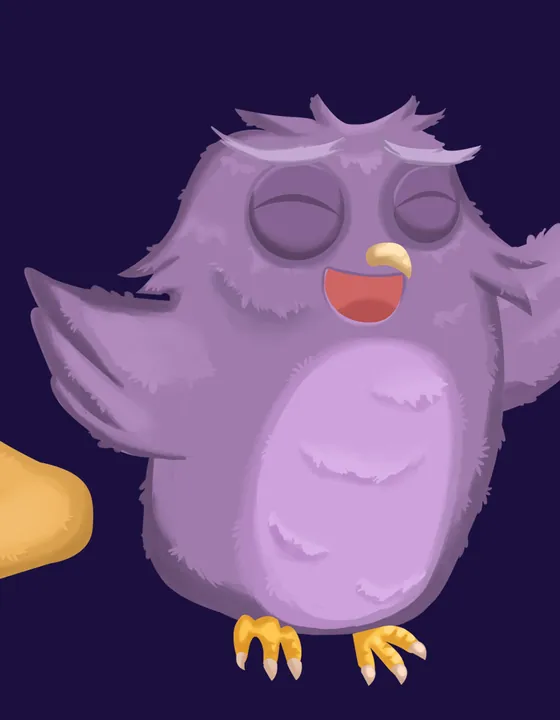
The cast keeps growing too. The newest are Koala-La-La, who hums the Kips down round the Sleepy Fire, and Moby Doze, whose one low note is felt rather than heard — and every one of them has a place in the bedtime stories for kids that the rest of this page describes.
One rule we will not break, and it is worth knowing before you press play. Nothing we make will ever tell your child to fall asleep.
Going to sleep is a thing a person can practise and get better at, so we are happy to ask for it. Falling asleep is involuntary, and telling somebody to do an involuntary thing only creates the effort that prevents it.
So Tardy observes it happening to somebody else, and never once instructs it.
Browsing is free and there is nothing to install. An account is only needed to press play, and the reason is small and practical: it is how we keep the place your child got to, so tomorrow night starts where tonight stopped.
One account per household, held by you. If you want the reasoning rather than the films — the read-aloud markup, the pacing, why the route runs the way it does — that is all written down for parents.
Otherwise, pick a place, and walk them to sleep.